Alexandra Palace rubbish clearance after event cleanup
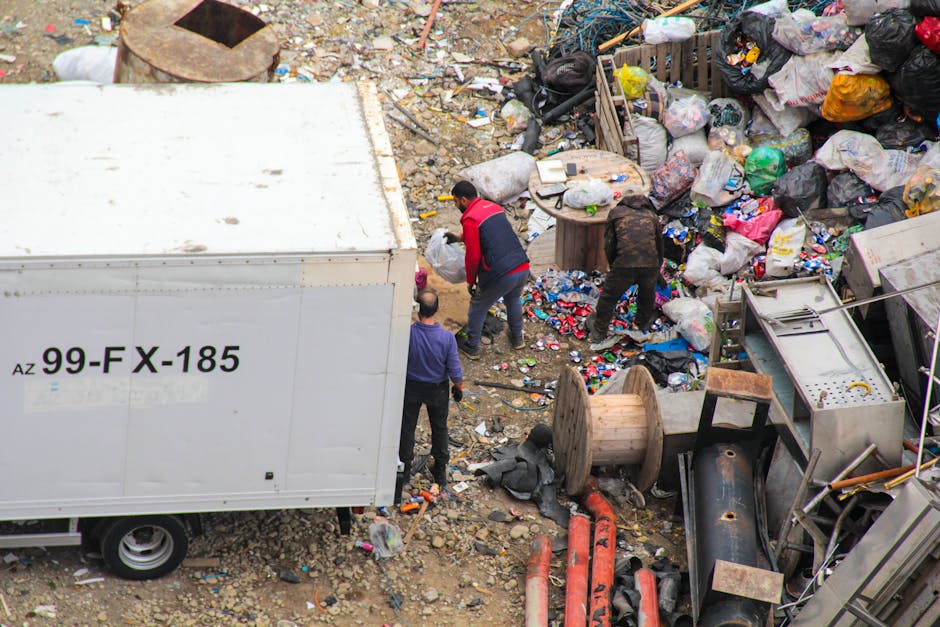
When the music has stopped, the lights are down, and the last guests have drifted out into the late-night air, the real work begins. Alexandra Palace rubbish clearance after event cleanup is the part of the day nobody sees on stage, but everyone notices if it is done badly. Broken cups underfoot, damp cardboard, packaging, food waste, drink stock, torn posters, and the odd forgotten chair all need to go quickly and properly. If you have ever stood in a venue after a busy event and thought, "Right... where do we even start?", you are in the right place.
This guide explains how event waste clearance around Alexandra Palace works, what to expect, which mistakes cost time, and how to keep the site safe, tidy, and ready for the next use. It also covers the practical side of choosing the right rubbish removal approach, whether you are dealing with a small private function, a corporate event, a performance, or a large-scale venue reset. For broader support with mixed loads, many organisers also look at rubbish clearance services and, where bulky items are involved, waste removal options.
Truth be told, event cleanup is less about brute force and more about sequence, sorting, and timing. Get those three things right, and the whole job becomes much smoother.
Why Alexandra Palace rubbish clearance after event cleanup matters
Alexandra Palace is not just another venue. It is a high-footfall destination with a mix of indoor event spaces, outdoor approaches, loading areas, and busy visitor routes. That means post-event waste is rarely neat or small. It spreads. Fast. One overflowing bag becomes five. A few loose drink cups become a slippery patch. A bit of pallet wrap catches in the wind and suddenly the whole corner looks tired, even if the event itself was excellent.
Good rubbish clearance matters because it protects safety, protects the venue, and protects your reputation. If you are an organiser, caterer, production manager, venue support team, or exhibitor, the cleanup stage is part of the event experience. People may not remember every detail of the set design, but they will remember whether the site was orderly when the doors reopened the next morning.
There is also the practical side. Delayed waste removal can block storage areas, create smells, attract pests, and make it harder for cleaning teams to move around. In a place like Alexandra Palace, where turnaround windows can be tight, that can become a real problem. Nobody wants to be wheeling black sacks through a corridor while the next team is already asking where the floor spaces are. It happens more often than you'd think.
If the event generated a lot of mixed material, a structured approach to waste clearance is usually more efficient than trying to deal with everything as generic rubbish. The key is matching the method to the load.
How Alexandra Palace rubbish clearance after event cleanup works
Event cleanup is usually a staged process rather than a single sweep. The best outcomes come from separating the job into manageable parts: clearing obvious waste, isolating reusable items, dealing with bulky materials, and then finishing with a final sweep for anything small or hazardous.
In a typical Alexandra Palace rubbish clearance after event cleanup, the crew will first identify the main waste streams. These often include general litter, cardboard, food and drink waste, damaged decor, packaging, cable offcuts, and large items such as furniture or display pieces. If the event involved exhibitors or temporary installations, there may also be mixed business waste and leftover fixtures to account for.
From there, the process normally looks something like this:
- Initial site walk-through: identify the waste types, access routes, and any areas that need careful handling.
- Segregation: separate recyclables, food waste, reusable stock, and general rubbish where possible.
- Collection and loading: remove bags, boxes, and bulky items using the safest route available.
- Final sweep: check under tables, behind staging, along edges, and in quieter corners where waste tends to hide.
- Responsible disposal: move the waste into the appropriate collection stream and ensure it is handled in line with accepted UK waste practice.
For heavier or awkward materials, such as broken furniture, event build remnants, or display fixtures, a more specialised collection may be required. In those cases, a dedicated service such as builders waste support can be useful, especially where the waste includes timber, plasterboard offcuts, fixtures, or packaging from a temporary build.
And yes, access matters. A lot. If vehicles cannot get close enough, the job takes longer and becomes more disruptive. That is why good planning around loading points, timing, and route safety is such a big deal.
Key benefits and practical advantages
The obvious benefit is a clean venue. But there is a longer list, and it is worth spelling out because event teams often underestimate how much friction good clearance removes.
- Faster venue turnaround: the site is ready sooner for the next crew, the next booking, or the next day's public use.
- Safer working conditions: fewer trip hazards, broken objects, wet patches, and loose packaging.
- Better presentation: a tidy space reflects well on the organiser and the venue team.
- Less stress for staff: people can focus on closure tasks rather than improvising with half-full bags and nowhere to stack them.
- Cleaner waste separation: recyclable and non-recyclable material can be sorted more effectively before disposal.
- Reduced contamination: separating food waste, cardboard, and general rubbish helps prevent everything becoming one hard-to-manage load.
There is also a hidden advantage: a good cleanup makes the next event easier. If you leave spaces properly cleared, the operations team can reset with less damage, less patching, and fewer awkward surprises. That alone can save a lot of time.
When bulky seating, damaged soft furnishings, or back-of-house items need removing, it may be worth looking at furniture disposal or, for larger sofa items, sofa removal. Not every event leaves these behind, but when it does, they can swallow time if you leave them until the end.
Who this is for and when it makes sense
This type of service is not only for big concerts or packed public events. In practice, Alexandra Palace rubbish clearance after event cleanup is relevant to a wide range of people and teams.
- Event organisers who need the site cleared quickly after a launch, conference, reception, or private booking.
- Catering teams dealing with packaging, food waste, broken crates, and disposable service items.
- Production crews clearing stage materials, cable waste, temporary fixtures, and build debris.
- Exhibitors leaving behind stand materials, printed displays, cardboard, or damaged stock.
- Venue operations teams who need extra hands for a busy reset window.
- Local businesses hosting events where waste volume is too large for normal bins or standard collections.
It makes sense whenever the volume is too high for routine cleaning, or when the waste is too mixed, bulky, or awkward to manage in-house. If you are standing in a room wondering whether this is "just a few bags" or something more serious, that is usually your answer. If you need to make a quick decision, the presence of bulky waste, broken items, or multiple waste types is a good sign that professional help would make life easier.
For business-facing jobs, especially where the waste is generated by an organised event or commercial activity, business waste support is often the cleaner fit than ad hoc disposal. For office-based events or post-seminar clear-outs, office clearance can also come into play.
Step-by-step guidance
If you want the cleanup to run smoothly, do not start with the bags. Start with the plan. That sounds a bit dull, I know, but it saves you from a messy second pass later.
- Identify the waste mix. Walk the site and note what is there: general rubbish, cardboard, food waste, furniture, signage, packaging, and any sharp or heavy materials.
- Set aside reusable items. If there are chairs, tables, decor, or equipment that can be reused, separate them early. Once mixed with waste, they are harder to salvage.
- Choose the removal route. Decide whether bags can go out through a service access point, whether a vehicle can load nearby, and whether any areas need protecting during movement.
- Sort by material where practical. Cardboard, plastics, and general waste should be separated if space and time allow. Even basic segregation helps.
- Remove bulky items first. Large objects take up the most room and slow everything down. Get them out before they become obstacles.
- Do a sweep from top to bottom. Stands, corners, under tables, behind barriers, and along skirting lines are the usual places rubbish hides.
- Check for spill or hazard areas. Broken glass, liquid residue, and food waste need attention before the final handover.
- Confirm disposal and sign-off. Make sure the collected material is heading into the correct disposal route and that nothing is left unaccounted for.
A small practical note: if you are doing this after a late finish, visibility can be poor and the noise of moving bins or trolleys feels louder than it should. Slow down a bit. It is usually the second tired mistake that causes the first headache.
Expert tips for better results
The best event cleanup jobs usually look calm from the outside because the prep was organised. Here are the habits that make a real difference.
- Label waste points before the event ends. If staff already know where cardboard, bottles, and general rubbish should go, the post-event load is much cleaner.
- Use more bags than you think you need. Running out halfway through the clear-up is a classic problem, and an annoying one.
- Keep a separate pile for damaged hire items. Don't let broken props or broken chairs disappear into generic rubbish if they need reporting first.
- Protect access routes. Tidy paths reduce slips, bumps, and delays, especially when the venue is dim and people are tired.
- Plan for the awkward stuff. Oversized packaging, crushed stands, and odd-shaped bits tend to stall the whole job if nobody has thought about them.
- Leave one person to do a final visual check. Fresh eyes catch bottles, tape, cable ties, and those tiny but irritating leftovers.
If the event left behind a garage-full of mixed clutter or overflow from storage areas, a broader clearance service such as garage clearance may be more suitable than a simple one-off collection. It depends on what actually remains on site.
Expert summary: the cleanest event clearances are usually not the ones with the most people on the job; they are the ones with the clearest sorting, the shortest carrying distance, and the fewest last-minute decisions.
Common mistakes to avoid
Most cleanup problems are very normal, very human, and very preventable. That is the slightly annoying part.
- Leaving sorting until the end. Mixing everything together makes disposal slower and less efficient.
- Underestimating the volume. Event waste always looks smaller during the event than it does after everyone has gone home.
- Ignoring bulky items. One damaged table can take as much time as ten bags.
- Blocking access routes. If bins, trolleys, and bags are piled badly, the team ends up moving the same waste twice. Nobody enjoys that.
- Forgetting about hidden waste. Under stands, beside loading points, and behind temporary screens are common trap zones.
- Not planning for disposal timing. If waste has nowhere to go, the site stays cluttered and the team ends up waiting around.
Another mistake is assuming every post-event clean-up should be handled like domestic rubbish. It should not. Commercial event waste needs a more deliberate approach, especially where materials are mixed or awkward. In some cases, rubbish removal is the simplest solution; in others, planned waste collection is better because it matches the venue's workflow.
Tools, resources and recommendations
You do not need a mountain of equipment, but the right basics make the job faster and safer.
- Heavy-duty bin bags: for general waste and mixed light materials.
- Gloves and safety footwear: especially where broken objects, spills, or sharp edges are possible.
- Trolleys or sack trucks: useful for moving bags and bulky items without endless lifting.
- Segregated containers: helpful for cardboard, bottles, food waste, and general rubbish.
- Labels and markers: simple, but very effective when multiple teams are working at once.
- Flashlights or portable lighting: useful in darker corners after late-night events.
Recommended service types depend on what is left behind. For mixed waste and general venue debris, rubbish collection can keep things moving. For larger loads or more urgent clearances, waste disposal and waste collection are often the more practical routes. If the event involved a temporary office-style setup, posters, desks, and packaging, then home clearance or flat clearance may be relevant for smaller, internal cleanouts nearby, though the right choice always depends on the load.
One useful local habit: keep a short written handover note for the cleanup team. Even three lines can help. "Bottles at north entrance. Cardboard in storage bay. Broken signage by stage left." That little bit of context saves time, and honestly, it saves a few grumbles too.
Law, compliance, standards, or best practice
For event rubbish clearance, the main thing is to handle waste responsibly and avoid unlawful dumping, unsafe stacking, or careless transfer of mixed materials. UK waste handling is regulated, and while the exact obligations vary by business type and material, the safest approach is always to use a reputable, traceable disposal route and to keep waste out of public areas for longer than necessary.
Best practice includes separating waste where practical, keeping access routes clear, avoiding overfilled containers, and ensuring staff handling the waste are properly briefed. If there are sharp items, broken glass, liquids, electricals, or contaminated materials, those should be treated cautiously and not left for a general tidy-up at the end.
It is also sensible to keep internal records of what was removed, when it left site, and which parts of the event generated the largest waste volumes. That is not just neat admin. It helps with planning next time, especially if Alexandra Palace rubbish clearance after event cleanup becomes a regular part of your calendar.
Where commercial waste is involved, make sure your arrangements align with accepted business waste practice. If the job crosses into building-like materials from staging, temporary structures, or event builds, it may be closer to builders waste handling than a simple litter pick. That distinction matters more than people think.
Options, methods, and comparison table
Different post-event situations call for different methods. A small networking evening is not the same as a full exhibition breakdown. Here is a simple comparison to help you choose the right approach.
| Method | Best for | Advantages | Watch-outs |
|---|---|---|---|
| In-house cleanup | Small events with light waste | Low cost, familiar team, flexible timing | Can become slow if waste volume is bigger than expected |
| Scheduled collection | Moderate waste with clear timing | Good for planned resets, simpler coordination | Needs accurate volume estimates and access planning |
| Specialist rubbish clearance | Mixed waste, bulky items, urgent turnarounds | Faster removal, less strain on staff, better for complex loads | Requires clear brief and good site access |
| Bulky item disposal | Furniture, broken fixtures, display pieces | Handles awkward items efficiently | May need extra separation from general waste |
For a lot of Alexandra Palace jobs, the best answer is not one method but a mix: in-house sorting, followed by a focused collection for the heavier waste. That hybrid approach tends to be the least chaotic. Not glamorous, but effective.
Case study or real-world example
Imagine a late-finishing indoor event with a small stage build, catering tables, branded banners, cardboard boxes, drink waste, and a few damaged props. By the time the audience has left, the floor looks passable at first glance. Then the lights come up. Suddenly there are bottle caps under chairs, tape stuck to the floor, a broken stand leaning in one corner, and three overstuffed bags that nobody wants to move because they are awkward and wet around the bottom. Classic.
In a real-world cleanup like this, the smart move is to split the work. The crew clears food and drink waste first, sets aside reusable signage and stock, then removes bulky items before the final sweep. If the broken props are large, they are handled separately rather than forced into standard bags. Any cardboard or packaging is flattened early to free up space. The result is not just a cleaner room, but a faster handover and less rework for the morning team.
That same logic applies whether you are in the main venue, a side hall, or a temporary hospitality area. The specifics change, but the rhythm stays the same: sort, remove, sweep, check again. Simple, really. The trick is doing it without getting rushed.
Practical checklist
Use this before you sign off the site.
- All waste types identified and separated where practical
- Bulky items removed or clearly grouped for collection
- Cardboard flattened and stacked safely
- Food waste and liquids contained properly
- Any glass, sharp debris, or damaged materials cleared safely
- Access routes kept open for staff and vehicles
- Final sweep completed under tables, stands, and barriers
- Reusable items stored or returned to the right team
- Waste collection and disposal arranged or confirmed
- Site left tidy enough for the next operation without last-minute surprises
If you can tick most of those without hesitation, the job is probably in good shape. If not, pause and fix the weak point now. It is much easier than finding it after everyone has gone.
Conclusion
Alexandra Palace rubbish clearance after event cleanup is ultimately about control: control of time, access, safety, and the final impression your event leaves behind. The right process keeps the venue clear, reduces stress on your team, and prevents small waste problems from becoming bigger operational ones. Whether you are dealing with bags of mixed rubbish, bulky furniture, or a full post-event reset, the best approach is always the one that fits the waste, the space, and the schedule.
Keep the plan simple, keep the sorting sensible, and do the final sweep properly. That last five percent is usually where the difference shows. And when the place is empty, quiet, and ready again, there is a very specific relief to it, isn't there?
Get a free quote today and see how much you can save.
Frequently Asked Questions
What does Alexandra Palace rubbish clearance after event cleanup usually include?
It usually includes collection of general rubbish, food and drink waste, cardboard, packaging, damaged items, and any bulky leftovers from the event breakdown.
How soon should rubbish be cleared after an event at Alexandra Palace?
As soon as the event ends and safe access is available. The sooner waste is removed, the easier it is to keep walkways clear and hand the venue back on time.
Can mixed event waste be taken in one collection?
Sometimes yes, but separating materials first is usually better. Mixed waste is harder to process efficiently and can slow down clearance.
What if the event left behind broken furniture or large items?
That is when a bulkier removal approach makes sense. Items like damaged chairs, tables, or display pieces are usually handled more efficiently outside standard bagged waste.
Is this the same as general rubbish removal?
Not exactly. General rubbish removal is part of it, but event cleanup often includes sorting, loading, access planning, and final site checks as well.
Do I need a specialist service for a small private event?
Not always. A small private event may only need a basic clearance if the waste volume is low. But once the load gets mixed or bulky, professional support becomes much more practical.
What are the biggest problems after an event cleanup?
The most common issues are poor sorting, blocked access, hidden litter, overfilled bags, and leaving bulky items until the very end.
How do I keep the cleanup safe for staff?
Use gloves, proper footwear, clear routes, and a sensible loading plan. Broken glass, spills, and heavy items should be handled with extra care.
Can event waste be recycled?
Often some of it can, especially cardboard and certain packaging materials. The exact amount depends on how cleanly the waste is separated and what it contains.
What should I prepare before the clearance team arrives?
Have the waste sorted where possible, confirm access routes, identify bulky items, and make sure someone on site can answer practical questions quickly.
How do I know whether to choose rubbish clearance or waste collection?
If the job is a one-off, mixed, or urgent cleanup, rubbish clearance may be the better fit. If the waste is planned and reasonably sorted, scheduled waste collection can work well.
Where can I learn more about related waste services?
You can review other relevant service information such as waste removal, rubbish clearance, and business waste for broader commercial support.