North London private rubbish collection guide for Camden Town
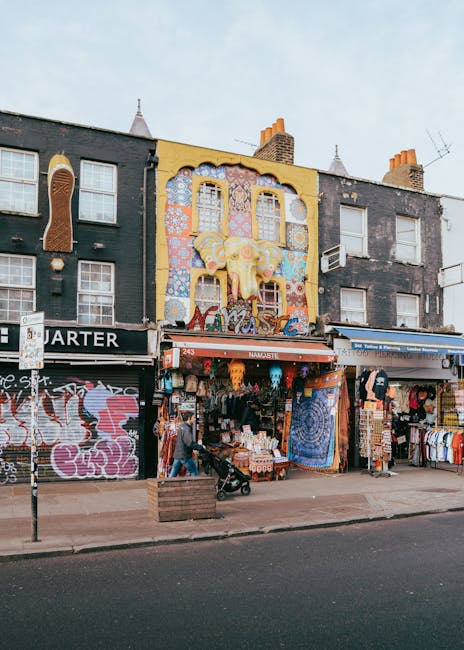
If you live or work in Camden Town, rubbish has a way of building up faster than you expect. One bag becomes three. A broken chair sits by the hallway for a week. A renovation job leaves dust, rubble, and awkward bits of timber in the corner. This North London private rubbish collection guide for Camden Town is here to make the whole thing feel much less messy. It explains how private rubbish collection works, when it makes sense, what to ask before booking, and how to avoid the usual headaches that catch people out.
Truth be told, Camden is not the easiest place to move waste around. Narrow roads, busy pavements, controlled parking, flats above shops, and tight stairwells all change what a collection looks like in practice. The good news is that a well-organised private collection can save time, protect your back, and help you clear space without turning the day into a small disaster. Let's walk through it properly.
Why North London private rubbish collection guide for Camden Town matters
Camden Town has its own rhythm. Busy mornings, late deliveries, a constant shuffle of residents, students, office staff, and visitors. In that kind of environment, waste management becomes more than a tidy-up task. It affects access, safety, neighbour relations, and sometimes even whether you can get a project finished on time.
Private rubbish collection matters because the standard options are not always the most practical. Council collection routes can be limited by item type, timing, and volume. A private collection service gives you more flexibility, especially if you have bulky items, a same-week deadline, or waste that needs to be handled in one visit rather than spread out over several days.
There is also the simple reality of space. Camden homes are often compact. Many flats have no lift, no driveway, and not much room to hold waste safely. If you are dealing with old furniture, builder's debris, garden cuttings, or office clear-out waste, leaving it around for too long can make the property feel cramped and stressful. You notice it every time you walk past. It clutters the mind as much as the room.
A private collection is useful because it can be planned around your schedule, your building access, and the exact mix of rubbish you need removed. That flexibility is the main reason people choose it over trying to piece together multiple smaller disposal steps.
How North London private rubbish collection guide for Camden Town works
Private rubbish collection is usually straightforward, but the best results come from being clear at the start. You describe what needs removing, the provider estimates the load and access requirements, and a collection slot is arranged. On the day, the team arrives, loads the waste, and takes it away for sorting, transfer, reuse, recycling, or disposal depending on the material.
The process normally starts with a clear description. Not just "a bit of rubbish", because that phrase can mean anything from a couple of bin bags to an entire flat clearance. Good operators want to know whether the job involves mixed household waste, furniture disposal, heavy builders waste, or something more specialised such as a sofa removal. The more precise you are, the smoother the collection usually goes.
Access matters a lot in Camden Town. A collection team may need to deal with narrow entrance halls, basement steps, shared courtyards, timed loading windows, or a property above a busy high street. If you can tell them about these details in advance, they can plan the right vehicle, crew size, and lifting approach. That is where a lot of time is saved.
For larger or more mixed jobs, people often combine services. A household declutter might be handled through home clearance, while a landlord turnover might lean toward flat clearance. Office moves often fit better with office clearance, while one-off domestic waste is sometimes best handled through rubbish collection or rubbish removal.
If the waste is bulky but not especially varied, some people go directly for waste removal or waste collection. For mixed, awkward, or larger-scale clearances, a broader waste clearance approach can be more efficient. Simple enough on paper. In real life, the right choice depends on what is actually in the pile.
Key benefits and practical advantages
The strongest reason to use a private rubbish collection service in Camden Town is convenience, but that is only part of it. There are several practical gains that make a real difference.
- Faster turnaround: You can often clear waste much sooner than waiting for a slow build-up at home or at a business premises.
- Less manual strain: Bulky items like wardrobes, mattresses, broken desks, or old sofas are awkward to move safely.
- Better for tight access: Camden properties often need careful planning for stairs, shared entrances, and limited parking.
- More suitable for mixed waste: Not everything fits neatly into one council collection category.
- Cleaner finish: A decent collection leaves the property ready for cleaning, listing, re-letting, or renovation.
- Flexible timing: This matters if you are working around tenants, tradespeople, deliveries, or a move-out date.
There is a quieter benefit too: fewer delays. Anyone who has tried to organise a room clear-out while juggling work, school runs, or a lease deadline will know the relief of getting the waste out in one go. It sounds small. It isn't.
Private collection can also help reduce the temptation to leave rubbish out "just for now". In Camden, that often becomes a problem quickly. Bags get torn, rain gets in, neighbours notice, and suddenly a temporary pile becomes part of the scenery. Not ideal, to say the least.
Who this is for and when it makes sense
This guide is useful if you fall into any of these situations:
- You are moving out of a flat and need unwanted items removed quickly.
- You have renovated a room and need leftover materials cleared.
- You are a landlord, letting agent, or property manager handling a changeover.
- You run a small business and need regular or one-off waste movement.
- You are clearing a garage, loft, basement, or storage room.
- You have bulky furniture that is too heavy or awkward to move yourself.
It also makes sense if your property is in a harder-to-access part of Camden Town. That can mean no lift, a top-floor flat, limited loading space, or a shared front entrance where you do not want rubbish sitting around. Private collection is often chosen because it respects the reality of the building rather than pretending every property is easy to serve.
And if your waste is not ordinary household clutter? Then the service choice matters more. For example, building debris is better handled through builders waste, while a business looking for routine disposal may find business waste more appropriate. A sofa, meanwhile, is not just "a big item"; it is a specific load that may be better arranged through sofa removal or related furniture handling.
If you are not sure whether your waste is classed as domestic, commercial, or construction-related, ask before booking. It saves awkward surprises later. Simple question, big payoff.
Step-by-step guidance
Here is a practical way to organise private rubbish collection without overcomplicating it.
- Sort the waste by type. Put furniture, mixed rubbish, garden waste, and builders debris into sensible groups if you can.
- Check access. Measure door widths, note stairs, and think about parking or loading restrictions.
- Make a rough list. A quick inventory helps avoid misunderstandings. "Two chairs, one mattress, six bags, and some broken shelving" is much better than "a pile".
- Choose the right service style. Smaller jobs may suit a simple collection. Larger, messier jobs may need broader clearance support.
- Book a time that fits the building. Early mornings are sometimes easier for access. Other times, mid-afternoon works better. Camden is funny that way.
- Prepare the space. Move personal items away from the load if possible, and make a clear path to the waste.
- Confirm any restricted items. Some materials need special handling, so ask in advance rather than guessing.
- Walk the job through on arrival. A quick check with the crew avoids missed items or confusion.
The biggest mistake people make is leaving the planning until collection day. You can do that sometimes, sure, but it rarely feels calm. A few minutes of preparation can save half an hour of back-and-forth later.
One useful habit: keep a simple "go pile" and a "maybe pile". Anything uncertain can be reviewed before the team arrives. It sounds almost too basic, but it works.
Expert tips for better results
In our experience, good rubbish collection jobs are usually won before the vehicle even arrives. The smoother the preparation, the less likely you are to face delays or extra handling charges.
First tip: be brutally honest about the load. If there are building offcuts hidden under bags of general waste, say so. If there is a heavy item tucked at the back of a cupboard, mention it. The collection team would rather plan properly than discover surprises at the door. That is just common sense.
Second tip: think about timing around neighbours and traffic. Camden Town can be lively, and sometimes noisy. If you can avoid peak congestion or a delivery window, the collection usually feels calmer and quicker.
Third tip: protect shared spaces. Hallways, lifts, and stairwells get scuffed easily. If you are moving waste through communal areas, keep routes clear and avoid dragging anything that could damage the building. This is especially true in older conversions where the staircase already has a bit of history in the paintwork.
Fourth tip: ask how mixed waste will be handled. Responsible operators sort load types where possible and separate items that can be reused, recycled, or disposed of correctly. If you are dealing with furniture, broken home items, or office contents, that sorting step matters.
Fifth tip: pair the collection with the right clearance service. A single sofa is one thing. A room full of furniture, boxes, and broken household bits is more like a project. Services such as furniture disposal or rubbish clearance can be a better fit than trying to force everything into one narrow label.
And one more: keep a small bag or box for items you might accidentally throw away. Keys, documents, spare chargers, little practical things. Everyone says they will remember them. Then the pile grows and, well, life gets in the way.
Common mistakes to avoid
Private rubbish collection seems simple, but a few recurring mistakes can turn it into a frustrating job.
- Underestimating the volume: Loads always look smaller from across the room. Always.
- Forgetting access issues: No parking, no lift, or a narrow staircase can change the whole collection plan.
- Mixing all waste together blindly: Some waste types need different handling.
- Leaving it too late: If you are on a move-out deadline, do not wait until the last evening.
- Not checking the property rules: Shared buildings often have their own expectations around waste movement and storage.
- Assuming every item is handled the same way: Builders waste, office items, and household clutter are not all identical in practice.
Another mistake is chasing the cheapest option without looking at what is included. The cheapest quote is not always the best value if it excludes lifting, loading, access help, or sorting. Better to know exactly what is being covered than to discover extra charges after the job starts. Nobody likes that conversation.
Sometimes people also try to hide the mess by just packing waste into black bags and hoping for the best. Useful for some things, yes. But if you have bulky furniture, mixed heavy loads, or awkward items, packaging alone will not solve the problem.
Tools, resources and recommendations
You do not need a lot of equipment to prepare for private rubbish collection, but a few basics help.
- Work gloves: Useful for lifting sharp cardboard, splintered wood, and dusty items.
- Tape measure: Handy if you are unsure whether large furniture will fit through a door or down stairs.
- Marker pen and labels: Good for separating keep, donate, and dispose piles.
- Strong bags or boxes: Better than overfilled carriers that split halfway down the hallway.
- Camera on your phone: A few photos help if you need to describe the load accurately in advance.
As a practical recommendation, use the service page that best matches the actual waste rather than the one that sounds closest. For garden clear-outs, garden clearance is more suitable. For a crowded garage, garage clearance makes more sense. For an entire property that needs emptying, house clearance or home clearance may fit better.
That distinction matters because the right service generally saves time, avoids miscommunication, and produces a cleaner result. You want the job matched to the waste, not guessed from the postcode.
Law, compliance, standards, or best practice
Waste removal in the UK should be handled carefully and legally. While this guide is not legal advice, a few best-practice points are worth keeping in mind.
First, check that the waste is being taken by a proper operator and that it will be handled responsibly. You do not need to be an expert in disposal routes, but you do need to avoid handing rubbish to someone who cannot clearly explain what happens next. That is especially important if your load includes mixed commercial waste, renovation debris, or items that may need special handling.
Second, do not leave waste on public land without proper permission or arrangement. In a busy area like Camden Town, fly-tipping or obstruction can create obvious problems fast. Even a temporary pile can become a nuisance if it blocks access or attracts attention.
Third, be careful with materials that may need separate treatment. Electrical items, sharp objects, contaminated items, and heavy construction waste should be treated with caution. If in doubt, ask before the collection date. It is better to pause and clarify than to rush a load into the wrong category.
Fourth, if you are clearing waste from a business premises, keep your records tidy. Small things matter: what left the property, when it was removed, and how it was classified. You do not need to turn it into paperwork theatre, but a basic trail is smart business practice.
Finally, think about neighbour impact and site safety. In older Camden buildings, communal areas are often close and echoey. A badly handled removal can be noisy, awkward, and a bit stressful for everyone. A considerate approach is not just polite, it is good practice.
Options, methods, or comparison table
Different waste situations call for different approaches. Here is a simple comparison to help you choose.
| Option | Best for | Strengths | Watch outs |
|---|---|---|---|
| Basic rubbish collection | Small to medium domestic loads | Fast, flexible, straightforward | May not suit very bulky or mixed jobs |
| Rubbish removal | General clutter, mixed household waste | Clear and practical for many homes | Confirm access and item types first |
| Waste collection | Regular or planned disposal needs | Useful for repeat or organised clear-outs | Not always ideal for one-off bulky items |
| Waste clearance | Bigger, more varied clear-outs | Good for fuller rooms and mixed loads | Needs more detailed planning |
| Builders waste | Renovation debris, offcuts, rubble | Better matched to heavy construction material | Must not be mixed casually with ordinary rubbish |
| Office clearance | Business furniture and workspace contents | Useful for workplace moves and refits | Consider timing, access, and internal disruption |
If you are still unsure, ask yourself a simple question: is this a single tidy job, or a mixed and awkward one? The answer usually points you in the right direction. No need to overcomplicate it.
Case study or real-world example
A typical Camden Town scenario goes like this. A small flat above a shop is being handed back at the end of a tenancy. The tenant has a broken chair, two shelving units, several bags of mixed waste, a mattress, and a coffee table that has seen better days. The stairwell is narrow, and the building shares a front entrance with another flat.
On paper, it looks like "just a few bits". In reality, it needs proper planning. The items are awkward, the access is tight, and the property needs to be left presentable for inspection. A private rubbish collection approach works well here because everything can be cleared in one organised visit rather than pieced out across several days.
What made the difference was preparation. The items were grouped before the team arrived. The route to the front door was cleared. The biggest furniture pieces were noted in advance. As a result, the collection was quicker, the communal area stayed tidy, and the flat was ready for a final clean the same day.
That kind of job is common in Camden Town. Not dramatic, just practical. But if it is your flat, it can feel like a mountain by 9 a.m. The relief when the space is empty again? Quite something, honestly.
Practical checklist
Use this quick checklist before your collection day.
- Identify the waste type: household, furniture, garden, office, or builders waste.
- Estimate the amount as accurately as you can.
- Check stairs, lift access, and parking conditions.
- Measure any large items that may need careful movement.
- Separate anything you want to keep.
- Set aside anything that may need special handling.
- Tell the provider about narrow entrances or timed access.
- Make a clear path from the waste to the exit.
- Protect shared hallways and flooring where possible.
- Confirm the collection time and what is included.
That is the boring bit done. And boring, in this case, is good. Boring means smooth.
Conclusion
A North London private rubbish collection guide for Camden Town is really about making waste removal feel manageable again. Camden's streets, buildings, and schedules can be awkward, but a thoughtful private collection turns an unruly mess into a simple, finished task. When you match the service to the waste, describe access clearly, and avoid last-minute guesswork, the process becomes much easier than most people expect.
If you are clearing a flat, handling furniture, sorting out builders waste, or dealing with a busy office move, the key is to plan for the real conditions of the property rather than the ideal version. That one shift can save time, reduce stress, and keep the whole job moving.
Get a free quote today and see how much you can save.
And if you are still in the middle of a pile of bags and wondering where to begin, start with one corner. Then another. Small steps do count, more than people think.
Frequently Asked Questions
What is private rubbish collection in Camden Town?
Private rubbish collection is a paid service that removes unwanted items, bags, furniture, or mixed waste from your property. In Camden Town, it is often used because access can be tight and the job needs to be done quickly or on a specific schedule.
Is private rubbish collection better than council collection?
It depends on the job. Private collection is usually better for bulky items, mixed waste, short deadlines, or difficult access. Council collection may suit simpler, lower-volume disposal, but it is not always as flexible.
What kind of waste can be collected privately?
Common examples include general rubbish, old furniture, broken household items, garden waste, office contents, and builders debris. The exact handling depends on the material, so it helps to describe everything clearly before booking.
How do I know if I need rubbish removal or waste clearance?
If you have a smaller, straightforward load, rubbish removal or rubbish collection may be enough. If the property needs a fuller empty-out, or the waste is mixed and bulky, waste clearance is often the better fit.
Can I book private collection for a flat with no lift?
Yes, and this is very common in Camden Town. You should mention stairs, narrow corridors, and any awkward access when booking so the right crew and timing can be arranged.
Do I need to sort the waste before collection?
Basic sorting helps a lot, but you do not always need to separate everything perfectly. Grouping items by type and keeping anything valuable or personal aside is usually enough to make the collection smoother.
What should I do with bulky furniture like a sofa or wardrobe?
Bulky furniture should be flagged in advance. Services such as furniture disposal or sofa removal are often a better match than treating these items as ordinary rubbish.
Is builders waste handled differently from household rubbish?
Yes. Builders waste is heavier, messier, and often needs different handling from standard domestic waste. Brick, plaster, timber, and rubble should be described accurately so the right service is used.
How far in advance should I book a collection?
If you can, book as early as possible. Same-day or next-day bookings may be available in some cases, but advance notice usually helps with access planning and reduces stress if your property is tricky to reach.
Will the team take everything in one visit?
Often they can, provided the load has been described accurately and access is workable. If the waste is large or spread across several rooms, it may still be best handled as a structured clearance rather than a simple pickup.
What happens if I understate the amount of rubbish?
That can cause delays or change the plan on the day. It is always better to be honest about what you have, even if you are unsure. A quick photo or rough list is usually enough to avoid misunderstandings.
Are there any items that need special care?
Yes. Electrical items, heavy mixed loads, sharp debris, and anything contaminated or unusual should be mentioned before collection. If you are not sure, ask first. That small pause can prevent a bigger problem later.